Who is Giulia Vidoni?
Giulia Vidoni is a forensic linguist. She listens to the way people speak. The involuntary rhythm of a sentence, the vocabulary that does't quite belong, the gap between what a person says and what their voice reveals. When the police hear a confession, Giulia hears the architecture beneath it. And sometimes what she hears is that the voice on the page is not the voice of the person who supposedly spoke.
Based in Udine, in the multilingual borderlands of northeast Italy where Italian, Slovenian, and Friulian have shaped different ways of thinking for generations, Giulia follows the fracture lines of language into cases the authorities have closed or misread. Each book takes her deeper into the relationship between what is said and what is true.
The Books
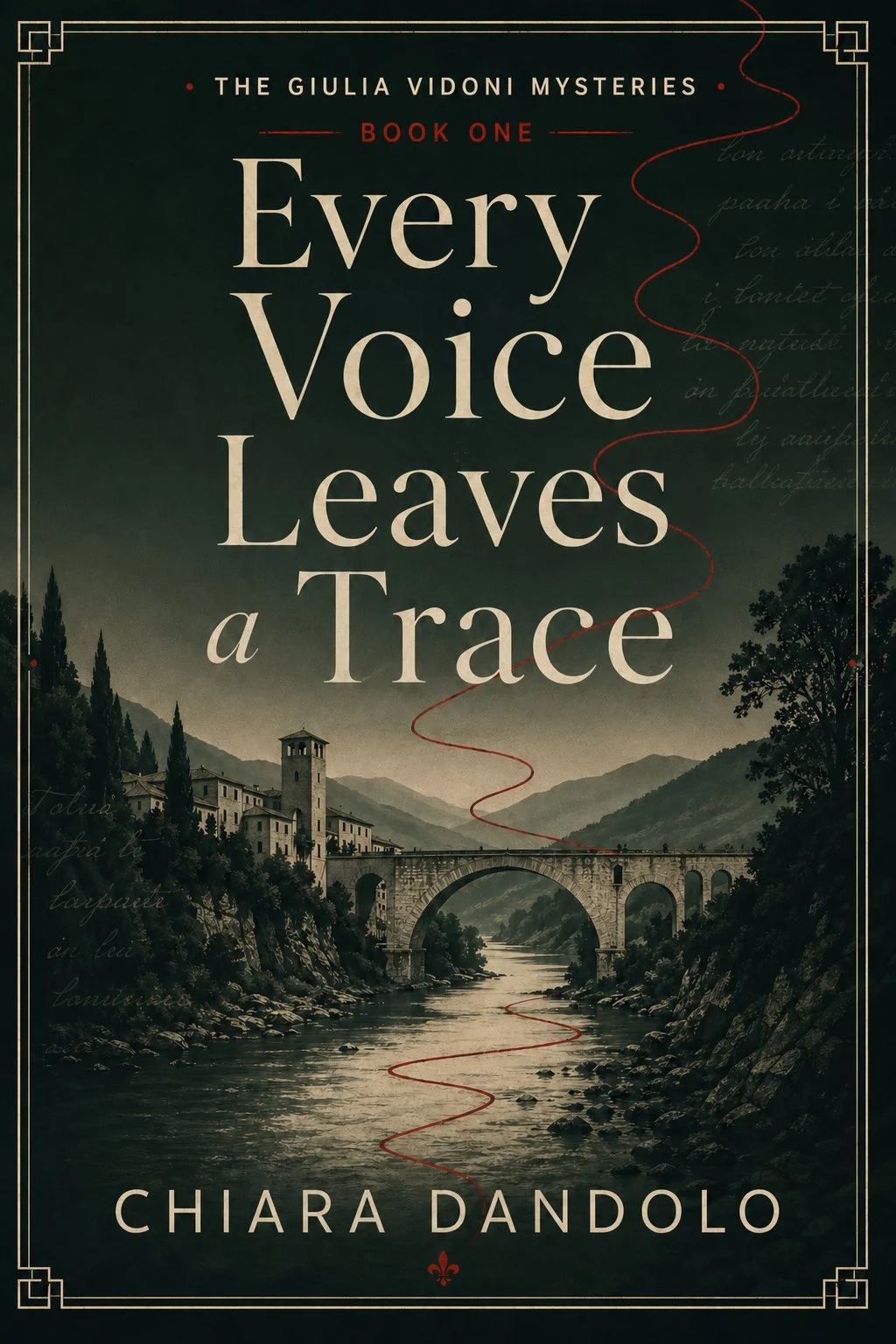
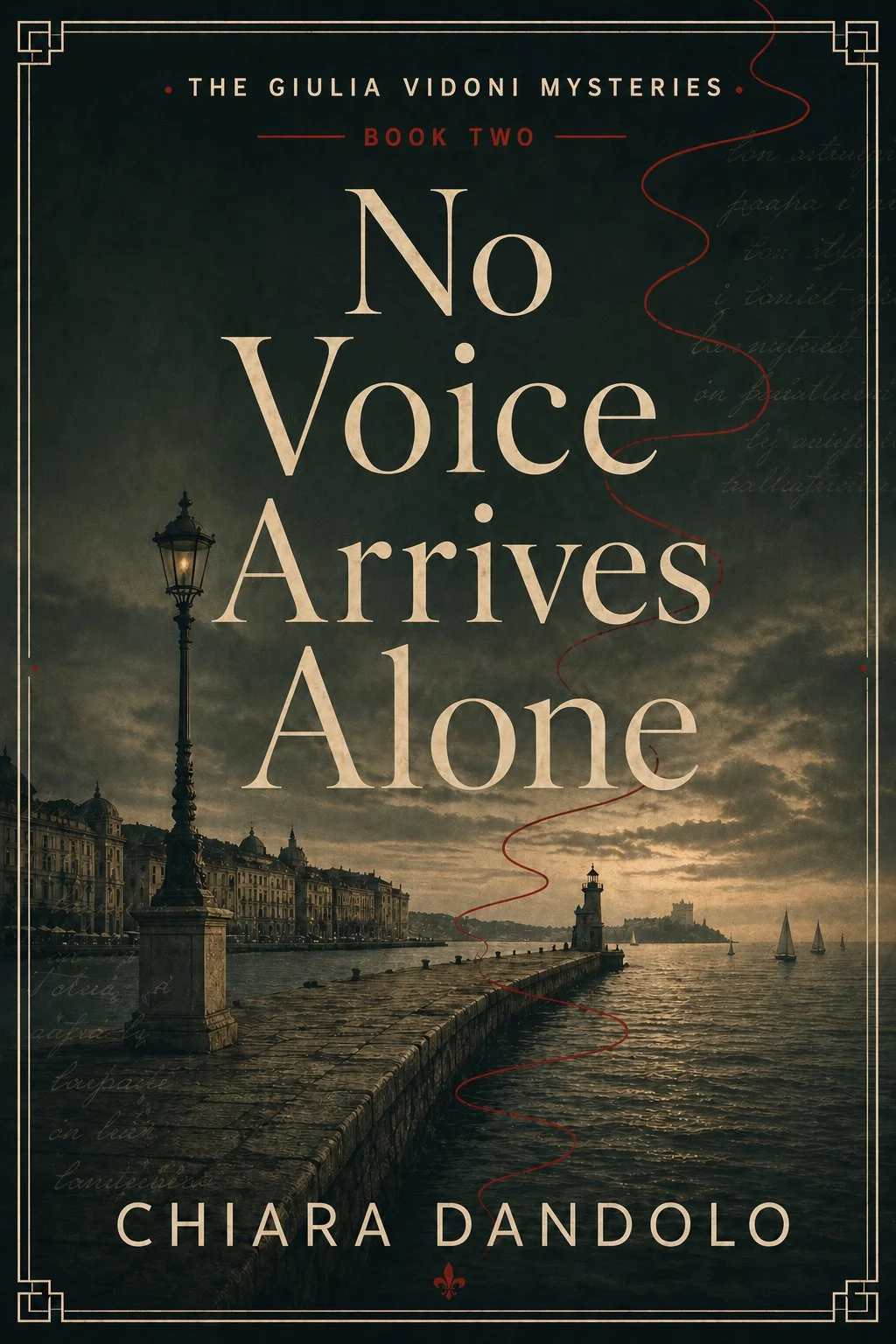
No Voice Arrives Alone
Book Two. Trieste
In Trieste, a patriarch has died and his children are fighting over a changed will. The family wants Giulia to analyze recordings made during the final weeks of Augusto Valmarin's life. But what she hears in the old man's voice is not coercion. It is something more unsettling. A shift she cannot yet name, a dissonance that pulls her from Udine to the windswept edges of Trieste and eventually to Vienna, where the truth about the Valmarin family has been buried for decades.
Every Voice Leaves a Trace
Book One. The Natisone Valley
In the Natisone valley east of Udine, a man has confessed to a crime. The police are satisfied. Giulia is not. She notices something incorrect. Not in what he said, but in how he said it. The rhythm doesn't match the speaker. The vocabulary belongs to someone else. As she traces the fracture lines of language into the valley's small communities, she uncovers not simply a false confession but a web of silence and obligation that reaches into the region's oldest families.
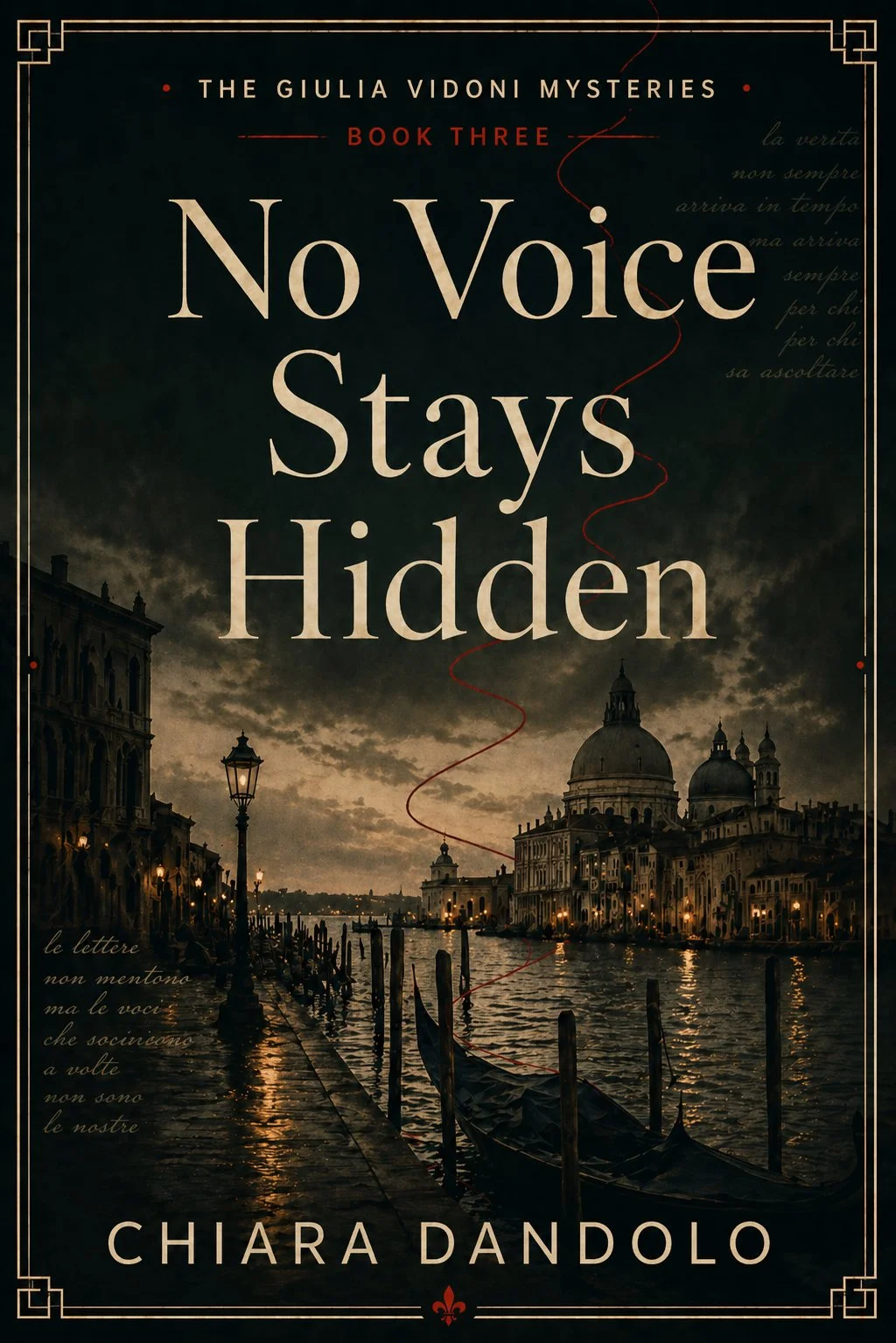
No Voice Stays Hidden
Book Three. Venice
During the renovation of a palazzo near the Campo Santa Maria Formosa, a set of letters surfaces from behind a sealed wall. The handwriting is exquisite. The paper is old. Two families claim the letters belong to them. A scholar who was authenticating them has gone silent. A young archivist who was researching their provenance has been found dead. For the first time, Giulia must apply her method not to the spoken voice but to the written word, and what she finds on the page is as revealing, and as dangerous, as anything she has ever heard.